beyond the refresh cycle: getting network timing right
Discover the hidden costs of aging network infrastructure and learn when to modernize to reduce security risks, downtime, and lifecycle expenses.

When a private equity firm acquires a new company, the business case is clear. The IT reality, less so. Behind every acquisition sits a tangle of hardware from different vendors, contracts negotiated at different times, and systems that were never designed to talk to each other. Multiply that across ten, twenty, or fifty portfolio companies, and what started as a minor inefficiency becomes a serious problem.
IT hardware standardization is the answer. Value creation in 2026 depends heavily on the right technology adoption, and while IT infrastructure is often overlooked, the right foundations across portfolio companies are an absolute must. Consistency and consolidation drive efficiency and cost savings, and increasingly, the PE firms generating the strongest returns are the ones who treat standardization as such, embedding it into their value creation playbook from the moment a deal closes.
Before anything, it’s worth understanding why any large, multi-site organization moves toward standardized IT hardware in the first place.
The reasons are pretty straightforward. When every site runs different equipment, support becomes a full-time job. Engineers need to know multiple platforms. Spare parts multiply. Security patching is inconsistent. Onboarding a new location takes weeks instead of days.
Standardization cuts through all of that. It reduces vendor sprawl, creates a unified security posture, and makes asset tracking dramatically easier. Technology Asset Intelligence (TAI) becomes a critical too : by giving organizations a real-time, portfolio-wide view of every hardware asset, its lifecycle status, and its utilization rate, TAI transforms IT into a strategic lever. When you know exactly what is running where, you stop flying blind and start making better decisions based on data.
For companies managing dozens of locations or subsidiaries, that visibility is the foundation everything else is built on.
Private equity adds another layer to this challenge. PE firms don't just manage complexity, they also often have a strict time constraint. The pressure to generate returns quickly means that inefficiencies in portfolio companies get expensive fast.
Fragmented IT environments slow down M&A integration, inflate costs with duplicate tools and overlapping contracts, and create compliance blind spots that complicate both audits and exits. Most firms only discover the full scale of the problem once they audit vendor contracts across portfolio companies, and what they find tends to be uncomfortable: duplicate subscriptions, overpriced licensing, services nobody is actually using.
At this point the question isn't whether to standardize but how to do it fast enough to matter.
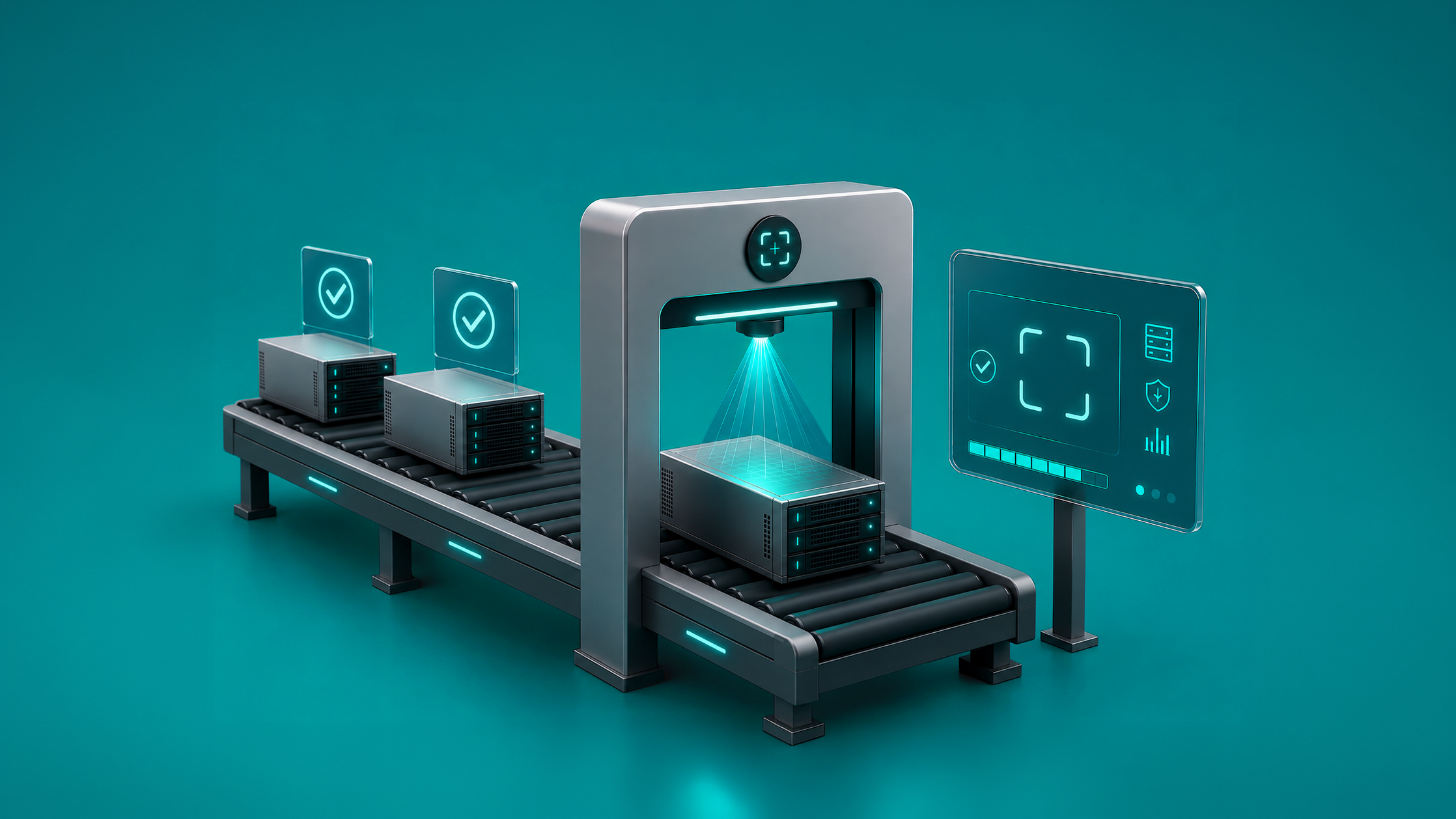
The answer that leading PE firms are converging on is a repeatable one: define a standard hardware stack once, then roll it out consistently across every company in the portfolio.
In practice, this means:
The financial impact is tangible: in one documented post-merger consolidation, a company reduced its annual IT spend by 18% purely through vendor rationalization, before touching duplicate contracts, licensing, or redundant hardware. For a firm managing a large portfolio, those savings compound fast.
But cost is only part of the story. Standardized hardware also compresses integration timelines, reduces the burden on local IT teams, and makes cross-portfolio reporting dramatically more accurate. With TAI in place, every company in the portfolio feeds into a single asset intelligence view, enabling group-level decisions on refresh cycles, capacity planning, and budget forecasting in real time, rather than at the end of a lengthy manual audit.
There's one more reason PE firms are paying attention to hardware standardization, and it's the one that tends to land in board conversations.
Clean, documented, and up-to-date IT infrastructure is a due diligence asset. When a portfolio company enters an exit process, buyers want to see a scalable, well-maintained IT stack with minimal integration risk. Standardized hardware, clear asset registers, and predictable refresh cycles all contribute to that picture. In a competitive exit environment, operational maturity translates directly into valuation confidence. The organizations that arrive at that moment with a fully documented, TAI-backed asset register are simply better positioned than those still reconciling spreadsheets.
This is exactly where Exellyn was built to help. For nearly 20 years, we've been driving centralization and standardization on a global scale for large enterprises. That track record is what we now bring to PE portfolio companies, where managing hardware procurement across multiple companies, in multiple countries, with different requirements and timelines is a logistical challenge that most firms aren't set up to handle internally.
We act as a single point of contact for the full hardware lifecycle: from procurement and multi-site deployment to Technology Asset Intelligence and responsible end-of-life management.
Whether you're standardizing one newly acquired company, rolling out a group-wide hardware strategy, or looking to gain real-time visibility across your entire portfolio through TAI, we bring the volume capacity, the global reach, and the operational structure to make it happen without the friction.
Enjoying this article?
Follow expert insights,
industry trends, and more
in our quarterly newsletter!
share with your network
click here to download